


Getting Started With Restaurant Work Up North
So you're thinking about restaurant jobs in Canada, right? From what I've seen over the years, it's a solid way to earn while meeting tons of people. Pay varies but tips can really add up in busy cities.
Thing is, not every spot is the same. Some places want experience, others train you on the spot. Honestly speaking I'd say start by figuring out if you're into front of house or back.
Front of House Roles People Actually Get
Waiters and servers are always needed. Especially in Toronto and Vancouver where tourists keep things hopping. Bartenders make good money too if you know your cocktails.
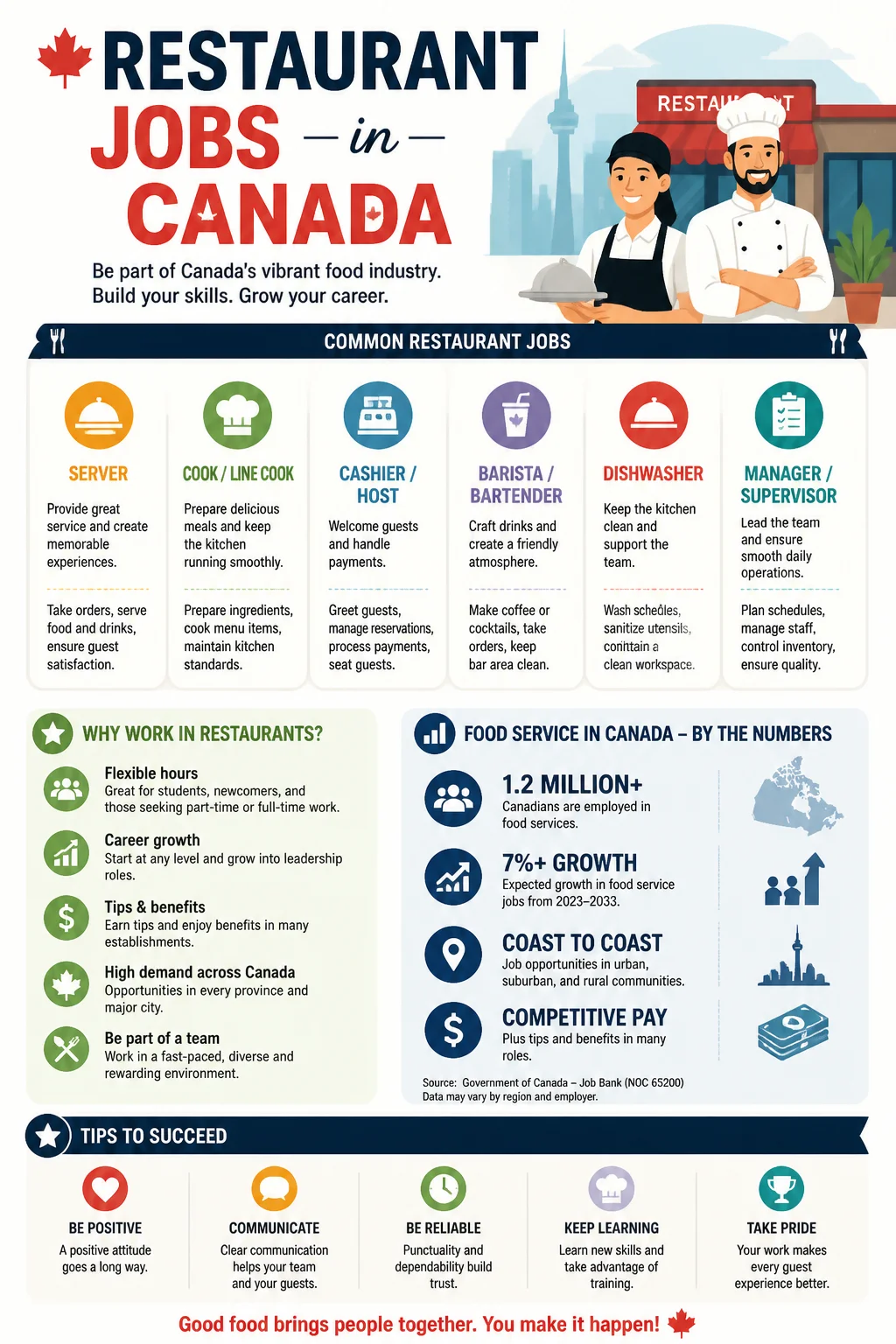
And hosts? They greet folks at the door. Less stress but you deal with the rush hours directly. Busser positions fill fast when staff quits suddenly.
- Server gigs often pull 15-25 an hour with tips
- Bartending shifts can hit 30 plus on weekends
- Host jobs start around minimum wage but grow quick
Look for ads on Indeed or local Facebook groups. Real talk though, walking in with a resume still works in smaller towns.
Back of House Stuff That Keeps Places Running
Kitchen jobs aren't glamorous but steady. Dishwashers get hired easy if you show up on time. Line cooks learn fast and move up.
Chefs with some training earn better. Prep cooks handle the boring cuts but it's entry level. Pastry roles suit creative types who like early mornings.
Big difference between chain kitchens and indie spots. Chains have set hours. Indies might be flexible but pay less sometimes.
Where the Jobs Cluster By Province
Ontario has the most options hands down. Montreal's scene mixes French flair with casual cafes. Alberta spots pay higher in oil towns because of the crowds.
BC coastlines mean seafood places hiring seasonal. Prairie provinces need staff for truck stops and diners year round. Don't sleep on smaller cities either.
From my experience the best time to apply is right before summer. That's when patios open and events pop up everywhere.
Visa Stuff for Folks Coming From Elsewhere
Work permits matter if you're not Canadian. LMIA based ones tie you to one employer at first. Some restaurants help with that process.
International students can work 20 hours a week during school. Full time in summer though. Post grad work permits open more doors later.
Honestly the rules change so check the official site before planning too much. Not gonna lie it adds steps but plenty manage it.
Pay and Hours Reality Check
Minimum wage differs by province. Tips get shared sometimes or kept by servers. Night shifts pay extra in some union spots.
Full time means 40 hours but restaurants love part timers. Overtime kicks in after certain thresholds. Health benefits rare unless you hit management.
Exactly. So budget for that when deciding.
How to Land Interviews Fast
Resumes should highlight any customer service stuff. Even retail counts. Practice basic questions like handling complaints.
References from old bosses help. Dress neat when dropping by. Follow up with a quick email if no word in a week.
Networking at food events works too. People remember friendly faces.
One more thing – kitchen shoes matter more than you think for long shifts.