


Getting Into Plumber Work Stateside
So you're looking at plumber jobs in the United States and wondering what it's really like. From what I've seen over the years, it's solid work if you don't mind getting your hands dirty. Pay can be decent too once you're in.
Thing is, not everyone sticks with it long term. Some folks try it out and bail after a few months because of the hours or the mess. But others build a whole career and end up running their own crews.
Where the Jobs Are Popping Up
Big cities like New York or Chicago always need plumbers. Same goes for growing spots in Texas and Florida. New construction keeps things moving, plus all the old houses that need fixes.
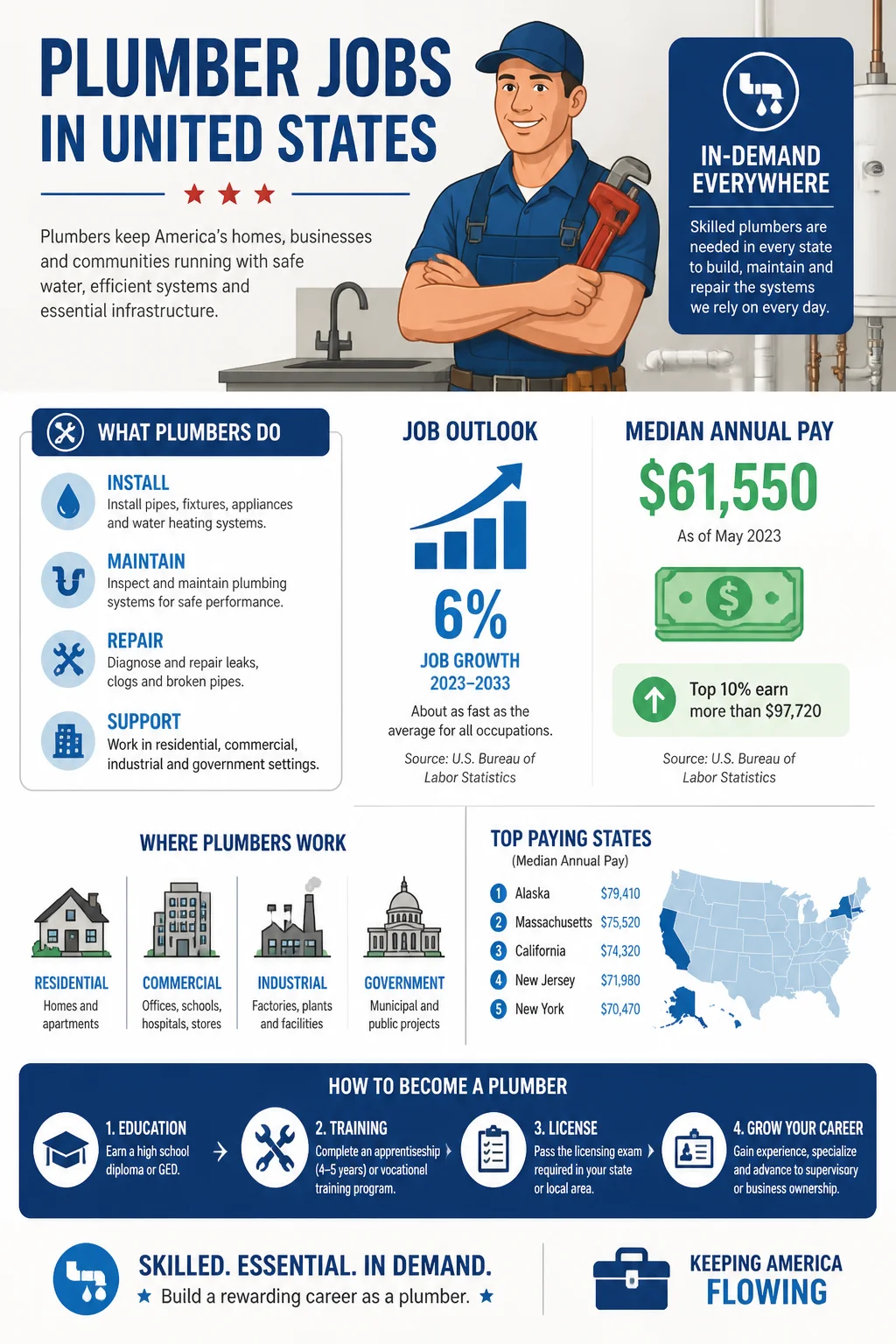
Honestly speaking I'd say the demand stays steady even when the economy dips. People can't just skip fixing leaks or broken pipes. That helps when you're hunting for steady gigs.
And don't forget the suburbs. More houses mean more service calls. It's where a lot of guys I know make their best money on the side.
- Residential service calls
- New builds and remodels
- Commercial maintenance
Look at the listings online and you'll spot plenty in those areas. Just be ready for the travel between jobs some days.
What Training Actually Takes
You don't need a fancy degree. Most start with an apprenticeship that lasts four or five years. You learn on the job while earning a bit.
Some states want you to get licensed after that. Tests cover codes and safety stuff mostly. It's not rocket science but you gotta study.
Real talk though, the best learning comes from the older plumbers who show you tricks. Books only get you so far.
I've seen plenty of guys jump in with zero background and do fine after a year or two. Others with some mechanical experience pick it up quicker.
Pay and Hours Breakdown
Entry level might start around forty grand a year in a lot of places. Experienced plumbers pull sixty to eighty easy, especially with overtime.
But the hours can be rough. Emergencies don't wait for weekends. You'll get calls at night sometimes.
Not great if you want a strict nine to five. Though some shop jobs are more regular.
Benefits vary too. Union spots often have better health stuff and retirement. Independent work lets you set your own rates but you handle everything else.
Big difference once you're licensed. You can charge more and pick better jobs.
Daily Realities on the Job
It's physical. Crawling under houses, hauling tools, dealing with old pipes that break apart. Wear good boots and back support early on.
Customers range from chill to impossible. Some watch every move you make. Others just want the problem gone fast.
Weather plays a part outside. Summer heat or winter cold makes certain jobs tougher. You learn to layer up quick.
And the tools? You end up collecting a whole truck full over time. Good wrenches and a reliable camera for drains pay off fast.
I've had days where everything goes smooth and others that feel like pure chaos. Keeps it interesting at least.
Finding Your First Spot
Start with local unions or trade schools for apprenticeships. They post openings regularly.
Craigslist and Indeed show service company ads too. Read the reviews on those places before applying though.
Networking helps more than people admit. Talk to anyone in the trade and ask who needs help.
Some companies train you from scratch if you show up eager and on time. Reliability beats experience sometimes at the start.
Once you got a few jobs under your belt it gets easier. Word spreads and calls come in.