

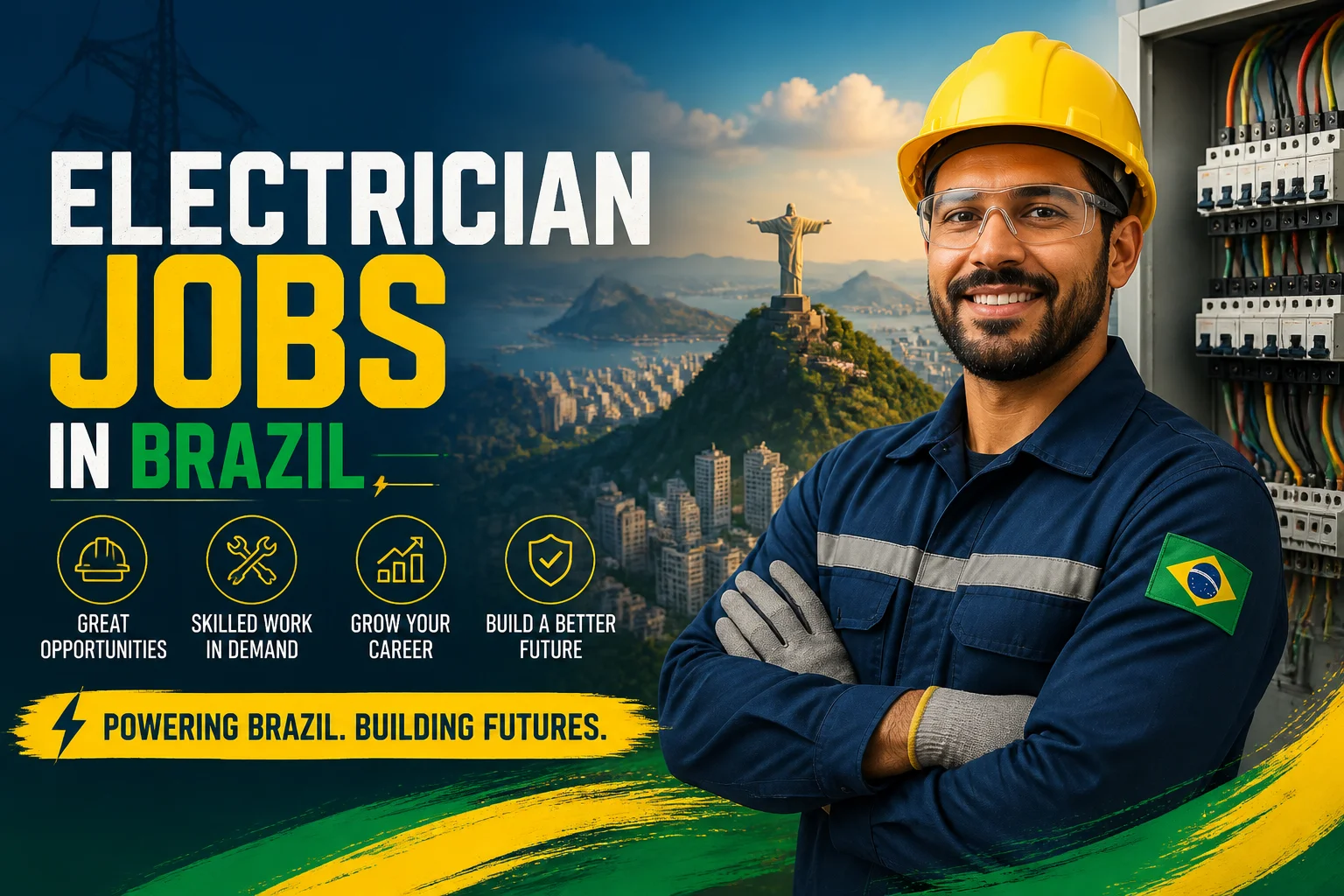
Electrician gigs down in Brazil hit different
Been hearing a lot about electrician jobs in Brazil lately and honestly it's not what most folks expect. Demand stays steady because cities keep growing and old wiring needs fixing all the time. From what I've seen people who know their way around panels and solar setups do pretty well once they settle in.
Where the work actually shows up
Sao Paulo and Rio pull the most jobs no question. But smaller spots like Curitiba or even up north in Fortaleza surprise you with steady construction projects. And don't sleep on industrial zones around Campinas either.
Big difference comes from whether you're chasing residential calls or factory maintenance. Residential means more driving around but factory stuff often pays better with benefits.
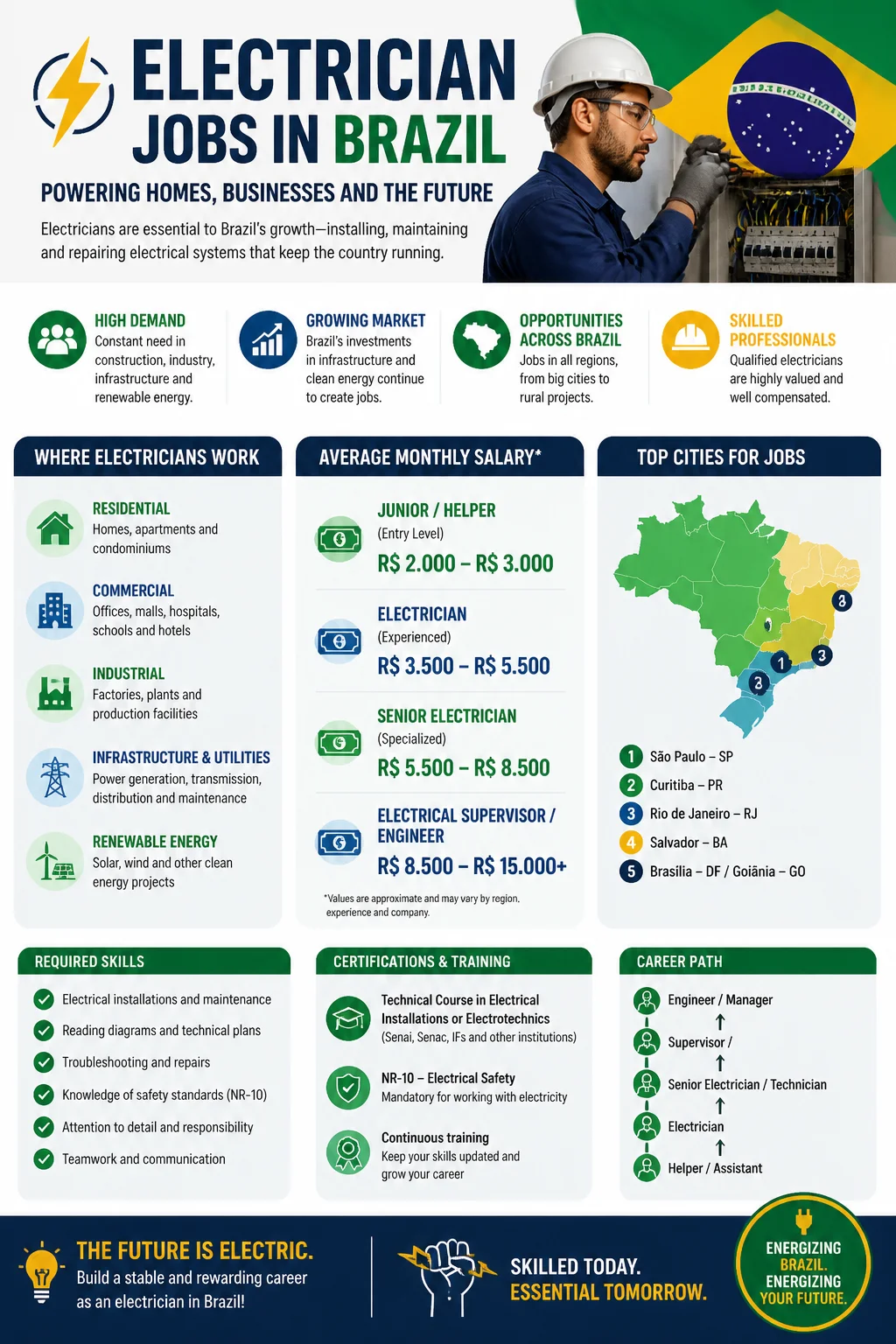
Pay and what you can expect
Entry level sits around 1800 to 2500 reais a month depending on the city. After a couple years and some extra certs you push past 4000 easy. Overtime and side jobs add up quick too.
Thing is costs are lower outside the big capitals so that money stretches further. I've known guys who clear more net take-home than they did back home just because rent's cheaper.
- Residential installs: 2000-3500 reais
- Commercial maintenance: 3000-5500 reais
- Solar specialist roles: 4000+ with bonuses
Getting the right papers
You need a technical course from Senai or similar. Foreigners usually get a work visa first then sort the license. Without that you won't touch most legit jobs.
Look local unions sometimes help with placement once you're certified. Not the fastest route but it works.
Real talk though some guys start with small contractors under the table then switch over later. Risky move but I've seen it happen.
Day to day reality
Hours run long during heat waves because AC repairs spike. Rainy season brings different headaches with outdoor work. You learn to carry extra tools and water always.
Clients expect you to speak some Portuguese. Even basic gets you further than you'd think.
One thing that surprised me is how much safety gear matters now. Companies started cracking down after a few bad accidents made the news.