

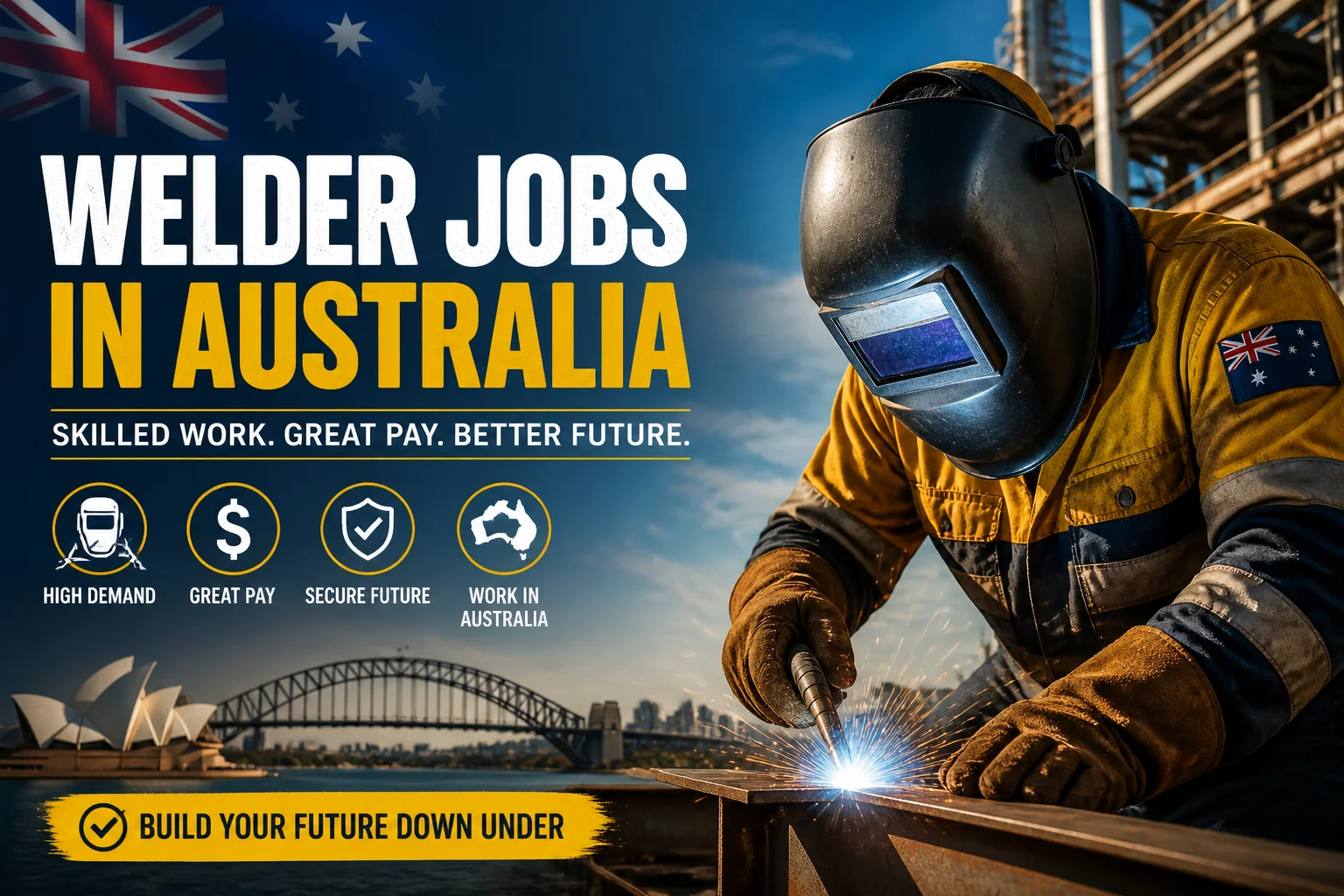
Getting Started With Welder Jobs in Australia
Look if you're hunting for welder jobs Australia right now, the scene's pretty solid depending on where you land. From what I've seen over the years, mining towns and big cities both pull in steady work but they feel totally different. Thing is you gotta know what you're walking into before you pack the tools.
Honestly speaking most blokes I know started in fabrication shops then moved up to site work once they got some certs under their belt. And the pay can jump quick when you hit FIFO gigs out west.
What Kind of Welding Work Pops Up Most
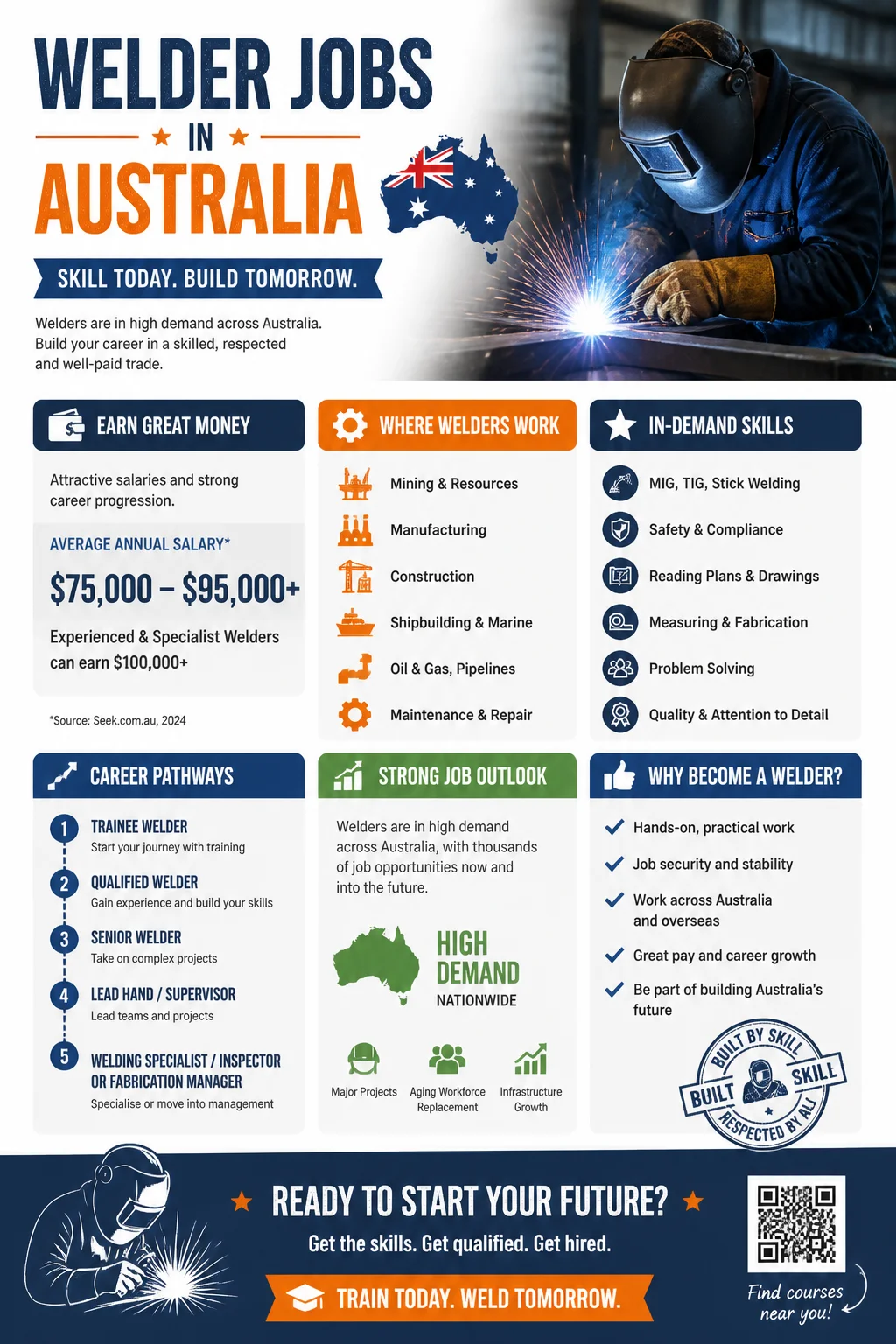
Construction sites always need people who can handle structural stuff. Then there's the oil and gas rigs plus heavy machinery repairs in the mines. Not gonna lie the mining side pays better but the hours are brutal sometimes.
Some weeks you're just doing maintenance on crushers and conveyors. Other times it's full pipeline work that needs perfect beads every pass. Either way experience with mig and tig helps a ton.
- Structural steel on building projects
- Boiler and pressure vessel fixes
- Aluminium work for marine jobs
- Stainless for food factories
Big difference when you specialise in one thing versus trying to do it all.
Pay Ranges and What Actually Hits Your Pocket
Entry level welding jobs Australia might start around 70k but that climbs fast with overtime. Experienced hands on remote sites clear 120k easy plus allowances for flights and meals. I've heard of guys pulling 150k plus when the shutdown season kicks in.
Thing is the base rate ain't everything. You gotta factor in the camp food and how often you fly home. Some blokes love the roster others burn out after a few swings.
Cost of living hits different too if you're based in Perth versus the east coast. Rent sucks everywhere right now so most chase the higher paying remote roles.
Tickets and Training You Actually Need
Everyone wants a ticket for the specific process. AS1796 or the standard welder quals from TAFE are the go to. And don't skip the safety tickets like working at heights or confined space. Sites won't let you near the job without them these days.
From my experience the mining companies care more about your recent quals than how long you've been at it. Refreshers every couple years keep you employable.
Some start with basic mig then add stick or flux core later. Keeps options open when one type of work dries up.
Where to Hunt for These Roles
Seek and Indeed get flooded with listings but the good ones often come through agencies first. Word of mouth on Facebook groups for welders still works surprisingly well. And direct applications to big contractors can skip the middle man.
Western Australia and Queensland have the most volume. Victoria and New South Wales have steadier civil work but lower rates usually.
Keep an eye on shutdown calendars too. That's when casual rates spike and you can bank some serious coin in a short burst.
Daily Life on the Tools
Early starts are normal. You're often on site before sunrise prepping joints and checking your machine. Lunch breaks get skipped when deadlines loom. Then it's home to clean gear and rest up for the next day.
FIFO means you live in camp with everyone else. Some camps have gyms and decent food others feel like prisons. Depends on the company really.
Weather plays a part too. Out in the Pilbara you sweat through your shirt by 9am most days. Rain stops play on east coast sites sometimes.
Real talk the camaraderie is what keeps a lot of guys coming back. You end up with a crew that watches each other's backs.
Common Pitfalls New Welders Hit
Underquoting your experience on the resume. Sites test you quick and if you can't deliver they send you home fast. Overstating what you've done leads to bad rep that follows you around.
Not sorting your own transport or tools when needed. Some jobs expect you to show up with your own helmet and gloves at minimum.
Ignoring the tax side of high earnings. Those big pay checks get hit hard come July so a decent accountant saves headaches later.
Sticking around one area too long when work slows. Being willing to move or take the next flight opens more doors than waiting for local gigs.
Future Outlook for the Trade
Automation is creeping in but skilled manual welders still get called first for tricky repairs. Renewables might shift some work toward solar farms but traditional mining won't vanish overnight.
Apprenticeships keep getting pushed so new blood is coming through. That means competition for the plum roles but also more demand for supervisors who know the trade inside out.
Honestly if you enjoy the work and stay current with quals you'll never be short of options across Australia.